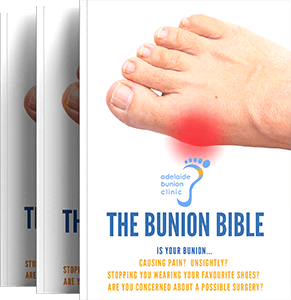
A bunion often starts small. A slight bump on the side of the big toe, maybe a bit of redness after wearing certain shoes. At first, it might seem like something you can ignore.
However, what we commonly see at Adelaide Bunion Clinic is that bunions rarely stay the same. Over time, they tend to become more noticeable, more uncomfortable, and harder to manage.
Understanding why bunions progress is the first step in slowing them down.
A Bunion Is a Change in Joint Position
A bunion is not just a lump of bone. It is a gradual change in the position of the big toe joint.
As the big toe starts to drift towards the second toe, the joint shifts outward. This creates the visible bump and changes how pressure is distributed across the foot.
Once this alignment begins to change, the mechanics of the foot are also affected.
Why Bunions Continue to Progress
There is usually more than one factor involved. Common contributors include:
- Foot structure, such as flat feet or increased pronation
- Footwear that places pressure on the front of the foot
- Repetitive load from walking and standing
- Natural joint laxity or inherited foot shape
Because these factors are ongoing, the bunion is often exposed to the same stress day after day.
Footwear Plays a Bigger Role Than Most People Think
Tight, narrow or pointed shoes can place constant pressure on the big toe joint. Over time, this can accelerate irritation and make the bunion more symptomatic.
At the same time, completely flat or unsupportive footwear can allow the foot to collapse inward, increasing strain through the joint.
The goal is not just “wider shoes”, but the right balance of width, structure and support.
Why Pain Develops Over Time
As the bunion progresses, several things can happen:
- Increased pressure over the joint
- Friction against footwear
- Inflammation of surrounding tissues
- Changes in how weight is distributed when walking
This is why bunions may go from painless to uncomfortable over time, especially during long periods on your feet.
How Orthotics Can Help Manage Bunions
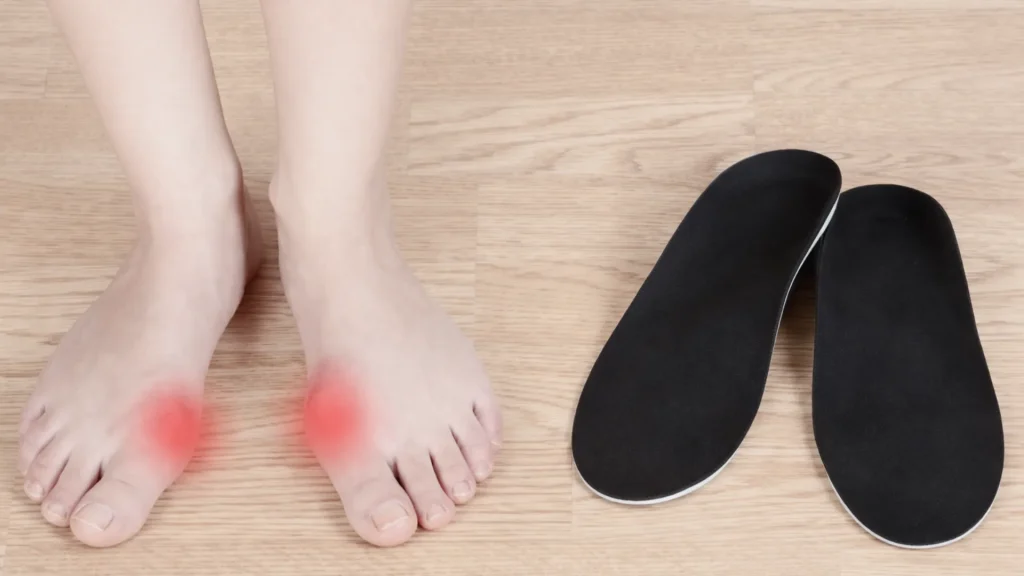
Custom orthotics do not reverse a bunion, but they can play an important role in managing it.
At Adelaide Bunion Clinic, orthotics are used to:
- Improve foot alignment
- Reduce excessive load through the big toe joint
- Support more even pressure distribution
- Improve comfort during walking and standing
By changing how the foot functions, orthotics can help reduce symptoms and slow further progression in many cases.
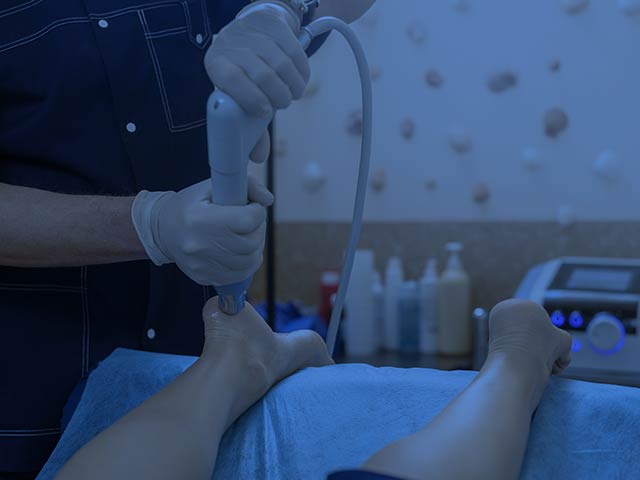
A Non-Surgical Approach That Works
Many people assume that surgery is the only option for bunions. In reality, early and well-managed conservative care can make a significant difference.
This may include:
- Footwear adjustments
- Pressure offloading
- Custom orthotics, when appropriate
- Monitoring changes over time
The earlier these steps are taken, the better the long-term outcome.
When to Get It Checked
It’s worth seeking advice if you notice:
- The bunion becoming more prominent
- Ongoing discomfort or redness
- Difficulty finding comfortable shoes
- Changes in how you walk
Early intervention allows for more options and better control over progression.
Final Thought
Bunions and big toe pain don’t usually appear suddenly, and they rarely stay the same.
While they cannot be reversed without surgery, they can often be managed effectively with the right approach.
At Adelaide Bunion Clinic, we focus on helping you stay comfortable, active and in control of your foot health, without rushing into surgery.